
 Zyprexa and Metabolic Health: Monitoring Tips
Understanding Olanzapine’s Metabolic Risks and Mechanisms
Starting this medication can feel like stepping onto a seesaw: symptom relief on one side, metabolic changes on the other. It alters appetite, increases insulin resistance, and may shift fat distribution, so early awareness matters. Patients often experience rapid weight gain and rising glucose or lipid values within weeks to months, making proactive monitoring essential.
Clinicians should baseline weight, waist, fasting glucose and lipids, then repeat at regular intervals. Lifestyle counseling and timely medication review can prevent progression toward diabetes and cardiovascular risk. Small changes in diet, activity, or adjunctive treatments may blunt adverse effects. Communication between patient and team ensures symptoms or lab shifts trigger swift, evidence-informed adjustments to care and promote long-term health.
| Parameter | When to check |
|---|---|
| Weight / Waist | Baseline, 1 month, then every 3 months |
| Fasting glucose / HbA1c | Baseline, 3 months, then yearly |
| Lipids | Baseline, 3 months, then yearly |
Essential Baseline Tests before Starting Antipsychotic Therapy
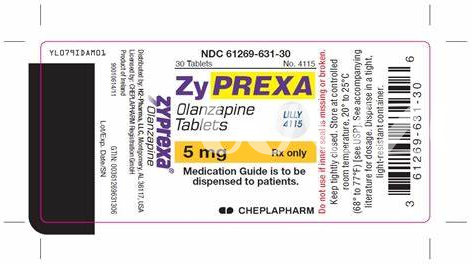
Before starting medication, gather a clear health snapshot. Tests like fasting glucose, lipid panel, liver enzymes, and blood pressure establish a baseline.
Record weight and waist circumference; these simple measures predict cardiovascular and metabolic risk over time, and ask about family history and smoking.
Include fasting insulin or HbA1c when possible to catch early glucose dysregulation—especially crucial with drugs like zyprexa that raise metabolic risk.
Baseline results guide monitoring intervals, inform lifestyle counseling, and help decide whether alternative treatments are safer for the individual and establish clear follow-up plans early.
Regular Weight, Waist, and Blood Sugar Tracking
Starting zyprexa can feel like stepping onto unfamiliar ground; keeping a simple measurement routine turns uncertainty into actionable data. Weigh yourself weekly, measure waist circumference monthly and note patterns—small changes over time matter more than day-to-day noise. Also track clothing fit and energy levels to catch subtle shifts.
Record readings in a notebook or an app shared with your clinician so trends are visible at appointments. Include fasting glucose and any symptoms like increased thirst or fatigue; early detection allows dose adjustments or lifestyle interventions before problems escalate. Bring printouts to appointments.
Consistency matters: use the same scale and measurement technique, take readings at similar times, and celebrate small wins. Communicating clear data helps clinicians weigh risks and benefits of continued therapy and supports safer use of medications such as zyprexa. Ask about blood tests schedule and referral options early.
Monitoring Lipids, Glucose, and Insulin: Frequency Guide

When starting Zyprexa, think of a clear testing roadmap to catch changes early. Baseline fasting lipids, plasma glucose, and optional insulin should be checked before treatment. Early follow-up at four to twelve weeks detects swift metabolic shifts.
After that, schedule routine measurements every three months during the first year: weight, waist, fasting glucose and lipids. If results are stable, spacing to every six months is reasonable, but any upward trends call for closer surveillance and discussion with prescriber.
Persistent abnormalities like rising LDL, fasting glucose over diagnostic thresholds, or elevated insulin should prompt medication review, intensified lifestyle measures, and referral when appropriate. Switching antipsychotics or adding metabolic medication should be discussed with the care team.
Lifestyle Strategies to Counteract Medication-related Weight Gain
Starting zyprexa can feel like a trade-off when mood stabilizes but the scale rises; small, sustainable steps matter. Framing changes as experiments reduces overwhelm and helps maintain motivation through gradual progress over weeks not days.
Focus on whole foods, prioritize protein and fiber, and minimize sugary drinks and processed snacks. Smaller plates, mindful eating, and planning meals curb impulsive choices while stabilizing blood sugar and appetite over weeks to months.
Combine modest cardio with twice-weekly resistance work to preserve muscle and metabolic rate. Increase daily movement—walks, stairs, standing breaks—prioritize sleep and stress reduction to blunt medication-related appetite spikes and schedule activity around medication timing daily.
Check with clinicians about alternatives, set measurable targets, track trends, and use support groups, apps for accountability.
| Action | Benefit |
|---|---|
| Weigh weekly | Early alert |
| Log meals | Identify triggers |
| Move daily | Boost metabolism |
| Talk clinician | Adjust meds |
When to Speak Up: Warning Signs and Actions
Listen to your body: sudden weight gain, persistent thirst, increased urination, extreme fatigue, or rapid breathing warrant immediate discussion with your prescriber. Describe changes, share recent measurements, and bring medication lists; early adjustments can prevent diabetes or cardiovascular complications.
Ask for fasting glucose, A1c, lipid panel, and weight monitoring if these signs appear. Seek emergency care for chest pain, fainting, severe abdominal pain, or signs of infection. Advocacy and regular follow-up make metabolic side effect detection timely and manageable. Bring a support person and keep a symptom diary between visits. DailyMed: Olanzapine label NCBI PMC: Olanzapine research
