
 Comparing Zanaflex Versus Other Muscle Relaxants
How Zanaflex Works Compared to Alternatives
I once observed a patient describe a sudden calf spasm; the clinician offered tizanidine or another relaxant. Tizanidine works centrally as an alpha-2 adrenergic agonist, reducing spinal motor neuron activity and calming excessive reflexes.
Other options act differently: baclofen mimics GABA B to inhibit spinal reflexes, while cyclobenzaprine and methocarbamol depress central nervous system signaling more diffusely.
In practice, tizanidine’s receptor targeting can give faster tone reduction for acute spasms but increases risk of hypotension and sedation. Choosing a drug blends mechanism, onset, side effects, and patient comorbidities.
| Drug | Action | Typical effect |
|---|---|---|
| Tizanidine | Alpha-2 agonist | Reduces spinal tone |
| Baclofen | GABA-B agonist | Inhibits reflexes |
| Cyclobenzaprine | CNS depressant | Reduces perceived spasm |
| Methocarbamol | CNS depressant | Supportive use widely |
Side Effect Profiles: Zanaflex and Common Competitors
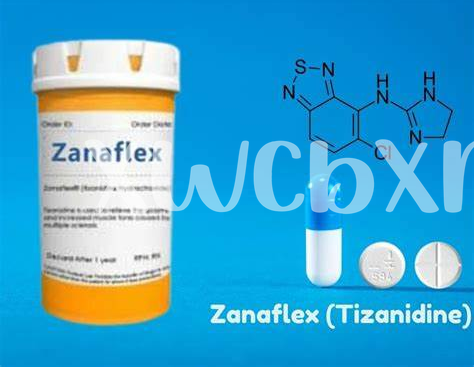
Patients often describe zanaflex as producing drowsiness and dry mouth more frequently than some other muscle relaxants, but it may cause less generalized weakness. These sedative effects can affect daytime function, so clinicians weigh benefits against cognitive impairment when prescribing.
Competing drugs like baclofen and cyclobenzaprine have their own profiles: baclofen can bring nausea and hypotonia, while cyclobenzaprine often causes anticholinergic symptoms and prolonged sedation. Choice depends on comorbidities, tolerance of side effects, and risk of falls in older adults.
Monitoring for dizziness, sedation, and interaction with alcohol or opioids is essential; switching agents or dose adjustments can mitigate risks. Patient preference, occupation, and age guide selection to balance relief with preservation of daily functioning.
Effectiveness for Acute Spasms Versus Chronic Pain
A sudden knot of pain can feel like an alarm; in those moments zanaflex often performs best, rapidly reducing muscle tone and breaking acute spasm cycles so patients regain mobility. Its central alpha-2 agonist action produces quick relief for focal, short-term episodes that result from injury or overuse.
Chronic musculoskeletal pain paints a different picture, where central sensitization, deconditioning, and psychosocial factors play larger roles, and long-term reliance on muscle relaxants is usually discouraged. For chronic pain, zanaflex may help selectively with spasm-associated discomfort but rarely addresses underlying causes, making multidisciplinary care more effective.
Clinicians typically reserve short courses for flares and prefer alternative strategies such as physical therapy, exercise, or targeted injections for persistent conditions. Patient expectations should be managed: transient symptomatic improvement is common, durable functional gains require broader intervention. Regular follow-up optimizes benefit and limits side effects.
Drug Interactions, Contraindications, and Safety Considerations
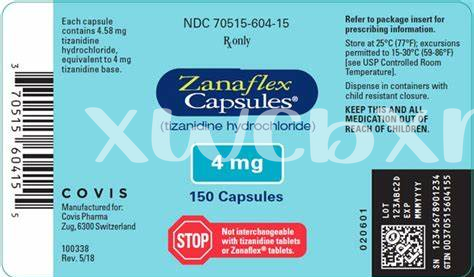
Imagine a patient juggling multiple prescriptions; zanaflex can amplify that complexity. Because it is metabolized by CYP1A2, strong inhibitors such as ciprofloxacin or fluvoxamine can dramatically raise levels, increasing sedation and hypotension risk. Combined with opioids, benzodiazepines, or alcohol the sedative and respiratory-depressant effects are additive, so concurrent use requires close oversight.
Contraindicated in patients with severe hepatic impairment and used cautiously in hypotensive individuals or those with significant renal dysfunction. Baseline liver enzymes and blood pressure should be checked, and doses started low with gradual titration. Patients must be warned about dizziness, slowed thinking, and driving impairment, and clinicians should avoid sudden cessation to prevent rebound hypertension or spasticity. Periodic monitoring and review help.
Dosing, Onset, Duration: Practical Patient Guidance
Start low and titrate slowly to balance relief with safety. Many patients begin with 2 mg of zanaflex at night, increasing as tolerated under clinician guidance. Timing matters: daytime dosing may increase sedation. Adjust dosing for elderly, renal issues.
| Drug | Onset | Duration |
|---|---|---|
| Zanaflex | 30–60 min | 6–8 hrs |
Expect onset within an hour and plan activities accordingly; avoid driving until effects are known. For chronic therapy, regular review of dose, timing, and side effects optimizes benefit. Missed doses shouldn't be doubled; discuss tapering before stopping.
Cost, Availability, and Choosing the Right Option
When budgets matter, generics often make the difference: tizanidine's generic forms usually cost substantially less than branded tablets, and insurance coverage varies by plan. Discussing price realities with patients helps set realistic expectations.
Availability can be regional: pharmacies may stock one formulation but not another, and supply interruptions happen. Generic manufacturing has improved access, yet some patients still prefer tried-and-true brands for perceived consistency or tolerability, guided by clinicians.
Choosing the right agent blends clinical factors and practicalities: comorbid illnesses, concomitant medications, desired onset and duration, and the patient's cost sensitivity. Shared decision-making ensures adherence and balances efficacy with safety and expense over time wisely.
Clinicians should discuss alternatives, insurance formularies, and patient preferences. When cost or limited supply restricts options, consider prior authorization, manufacturer assistance programs, or therapeutic substitution to preserve treatment and reduce out-of-pocket spending over time safely.
MedlinePlus — Tizanidine (Zanaflex) NCBI Bookshelf — Tizanidine
