
 Vermox Vs. Other Anthelmintics: Which Better?
Mechanism of Action: Vermox Versus Other Drugs
In a crowded clinic a clinician reaches for a familiar chewable: Vermox works by binding parasite beta-tubulin, preventing microtubule formation. This disrupts glucose uptake and intracellular transport, starving and immobilizing worms in the gut. Its low systemic absorption keeps action largely luminal, ideal for intestinal helminths.
Other anthelmintics act differently. Albendazole shares the benzimidazole tubulin target but attains greater systemic levels with fatty meals. Ivermectin opens glutamate-gated chloride channels, causing flaccid paralysis of nematodes. Praziquantel increases tegumental calcium influx, provoking contraction and surface damage in trematodes and cestodes; pyrantel acts as a nicotinic agonist, producing spastic paralysis.
Understanding these mechanisms helps match drug to parasite location and life stage: luminal tubulin inhibitors suit intestinal worms, systemic agents reach tissue stages, and neuromuscular disruptors rapidly expel motile parasites. Mechanism guides efficacy, safety and resistance risk when selecting therapy for each patient.
| Drug | Class | Primary mechanism |
|---|---|---|
| Vermox (mebendazole) | Benzimidazole | Beta-tubulin binding; inhibits microtubules |
| Ivermectin | Avermectin | Opens glutamate-gated chloride channels |
| Praziquantel | Praziquantel | Increases calcium influx; tegument damage |
Efficacy Across Parasite Types: Who Wins?

In clinical practice, broad-spectrum agents show different strengths against worms. Vermox (mebendazole) excels against common intestinal nematodes such as pinworms, roundworms and whipworms, often clearing infections. Other anthelmintics like albendazole offer wider tissue penetration, useful for hookworm and certain larval infections.
Praziquantel outperforms for trematodes and cestodes, rapidly paralyzing flukes and tapeworms. Ivermectin is especially effective against strongyloides and ectoparasites, though less active against some intestinal helminths. Drug choice therefore hinges on identified clinically relevant species, cycle stage and infection site.
Empirical therapy in endemic settings balances spectrum, availability and safety; vermox remains reliable first-line for intestinal nematodes, while albendazole, ivermectin or praziquantel are preferred when the parasite type demands. Accurate diagnosis ensures best outcomes.
Safety Profiles and Side Effects Compared Briefly
In practical use, vermox tends to be well tolerated because mebendazole is minimally absorbed; most patients report only mild gastrointestinal upset, occasional headache, or transient fatigue. Serious adverse events—hepatotoxicity, bone marrow suppression, or allergic reactions—are rare but documented, and the drug is contraindicated during the first trimester of pregnancy.
By contrast, albendazole and praziquantel have higher systemic exposure and a greater risk of elevated liver enzymes, alopecia or transient bone marrow effects (albendazole) and dizziness or CNS effects (praziquantel). Ivermectin is generally safe but can provoke severe neurologic complications in patients with high Loa loa microfilarial loads. Clinicians should weigh infection type, pregnancy status, baseline liver function and the need for follow-up labs when choosing agents. When risks exist, brief lab monitoring and patient counseling on side effects generally mitigate harm and improve adherence and outcomes in most clinical settings.
Dosing Convenience, Cost, and Accessibility Compared
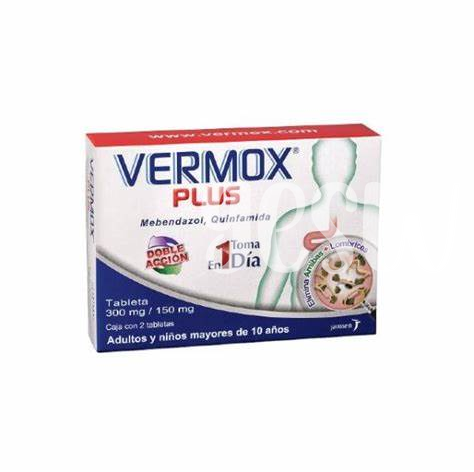
In clinics, a single-dose vermox tablet often feels like a small victory: swift treatment, minimal follow-up, and simple instructions patients remember.
Alternative regimens can demand multiday dosing, refrigeration, or weight-based calculations that complicate adherence and increase clinic time.
Price varies widely: generics keep costs low for many patients, while newer agents or imported formulations may be costly and scarce in resource-limited areas. Insurance coverage, supply chains and local formularies shape which option is realistic, so clinicians balance efficacy with practical affordability and availability and population-level distribution remain critical for health.
Resistance Risks: Long-term Use Implications Discussed
A quiet shift emerges when treatments fail more often; vermox can still clear many infections but warnings arise.
Resistance develops through genetic selection, reduced drug uptake, or target changes; single‑dose convenience may mask gradual trends.
Long‑term use risks include community‑level persistence, loss of efficacy and the need for surveillance studies; policy should adapt.
Clinicians must rotate agents, combine hygiene campaigns, and report treatment failures promptly to preserve options.
| Drug | Resistance level | Notes |
|---|---|---|
| vermox | Moderate risk with prolonged use | monitor |
| Albendazole | Variable ongoing monitoring | recommended |
| Public health | Crucial to limit | spread |
Clinical Recommendations: Choosing Best Anthelmintic for Patients
Begin with patient-centered selection: choose Vermox when single-dose mebendazole fits the diagnosed helminth and patient age, pregnancy status, and comorbidities permit. For mixed or severe infections, consider broader-spectrum or combination therapy guided by diagnostics.
Prioritize safety: avoid mebendazole in first-trimester pregnancy and review liver disease, drug interactions, and allergy history. Reserve alternatives like albendazole, ivermectin, or praziquantel when evidence shows superior efficacy for specific species or when resistance patterns suggest reduced mebendazole utility.
Use local epidemiology, stool diagnostics, and dosing convenience to improve adherence; cost and access are practical determinants. Document outcomes and report therapeutic failures to surveillance programs to help steer regional recommendations and preserve anthelmintic effectiveness and inform stewardship decisions promptly for clinicians.
CDC: Enterobiasis (Pinworm) — Health Professionals WHO: Soil-transmitted helminth infections
