
 Tizanidine Vs Baclofen: Which Muscle Relaxant Wins?
Mechanisms: How Tizanidine and Baclofen Work
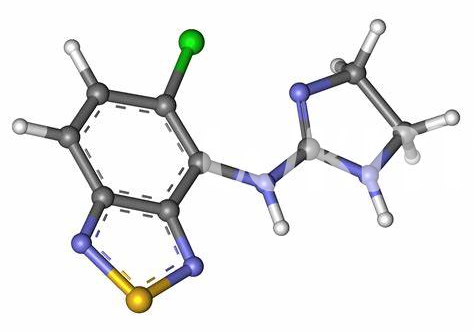
In clinical practice the tug-of-war between tone and movement often comes down to receptor chemistry. Tizanidine acts like a dimmer switch in the spinal cord, engaging alpha-2 adrenergic receptors to reduce excitatory input to motor neurons.
Baclofen, by contrast, is a GABAB agonist that enhances inhibitory signaling. It opens G-protein coupled potassium channels and reduces calcium influx, hyperpolarizing neurons and dampening reflex arcs.
Both drugs act primarily at the spinal level, but their upstream targets differ. That divergence explains why onset, potency, and systemic effects vary between patients.
Understanding these molecular mechanisms guides tailored choices: choose tizanidine when sympathetic modulation is helpful, baclofen when strengthened GABAergic inhibition best matches the clinical pattern.
| Drug | Primary | target | Action | Typical | central | site |
|---|---|---|---|---|---|---|
| Tizanidine | alpha-2 | adrenergic | primarily reduces excitatory transmission | Spinal | cord | |
| Baclofen | GABAB | receptor | primarily enhances inhibitory transmission | Spinal | cord | and brainstem |
Effectiveness for Spasticity: Comparing Clinical Outcomes

In clinic, patients often describe a fog of stiffness that steals mobility and sleep. Two oral agents — tizanidine and baclofen — routinely enter the conversation, each reducing muscle tone through different receptors and producing meaningful functional gains in many trials.
Head-to-head studies generally show similar average reductions in spasticity scores, though individual response varies. Baclofen provides consistent tone suppression and is favored for spinal cord injury or generalized spasticity; tizanidine may better alleviate intermittent spasms and can improve sleep because of its sedative effect. Intrathecal baclofen remains the standard for severe, refractory cases.
Clinical choice hinges on magnitude of benefit, tolerability, comorbidities, and rehabilitation goals. Where sedation, hepatic considerations, or polypharmacy matter, clinicians tailor trials and titrations, often combining medication with physiotherapy to maximize function while minimizing adverse effects. Shared decision-making and planned reassessment periodically guide long-term strategy and dosing adjustments.
Side Effects Showdown: Sedation, Weakness, and More
Patients often describe the first doses as a fog settling in: tizanidine frequently brings pronounced sedation and dry mouth, while baclofen tends to produce muscle weakness and dizziness. Both can slow reactions and impair balance, but tizanidine’s blood-pressure lowering and baclofen’s motor weakness differ in clinical impact, so clinicians weigh daytime drowsiness against loss of strength and confidence.
Monitoring matters: liver enzymes should be checked with tizanidine, while slow tapering of baclofen is essential to avoid severe withdrawal like agitation or seizures. Both drugs interact with CNS depressants, amplifying sedation; educating patients about timing, avoiding alcohol, and reporting confusion or marked weakness can prevent harm and tailor choices to lifestyle and fall risk and cognition.
Dosing, Titration, and Withdrawal: Practical Prescribing Tips
Starting a muscle relaxant often feels like tuning an instrument: begin with low doses and titrate slowly, watching for sedation and hypotension with tizanidine. Schedule follow-up early to assess functional benefit rather than just tone reduction. Clear instructions prevent accidental overuse.
Titration regimens vary: baclofen may be increased by 5 mg every three days until effect, while tizanidine often starts at 2 mg at night and is advanced in small increments. Emphasize individualized pace based on efficacy and side effects.
Abrupt stopping risks withdrawal — baclofen can cause rebound spasticity, confusion, or seizures, so taper over one to two weeks. Taper tizanidine too, monitor blood pressure, and align doses with therapy sessions for best outcomes.
Drug Interactions, Contraindications, and Safety Considerations
Clinicians weigh interaction risks as they tailor therapy; a memorable caution surrounds tizanidine with CYP1A2 inhibitors increasing exposure.
Comorbidities matter: hepatic impairment, hypotension, and concurrent CNS depressants change risk–benefit ratios and demand careful monitoring.
Pregnancy, lactation, and sensitivity to muscle weakness guide avoidance or dose reduction; shared decision making eases navigation and routine lab checks appropriately.
Quick safety snapshot:
| Risk | Action |
|---|---|
| CYP1A2 inhibitors | Avoid Reduce dose |
| Severe hepatic disease | Contraindicated |
Choosing Wisely: Patient Factors Guiding Drug Selection
When choosing between tizanidine and baclofen, think about the person behind the symptoms: age, liver and kidney function, and daily demands matter. Tizanidine's short half-life and hepatic metabolism make it less suitable for patients with liver disease or those taking CYP1A2 inhibitors, while baclofen is cleared renally and may be safer in hepatic impairment.
Sedation profile and functional goals guide choice — tizanidine often causes more sedation but can be useful for painful spasms at night; baclofen may produce muscle weakness that impairs mobility but is preferred for sustained spasticity and when intrathecal therapy is being considered. Cognitive status, fall risk, and concomitant CNS depressants should tilt selection away from agents likely to worsen alertness.
Practical factors—dosing frequency, adherence potential, withdrawal risk, and pregnancy or breastfeeding—complete the picture; slow titration and targeted monitoring enable safer, individualized therapy with regular follow-up planning. FDA label for tizanidine PubMed review on tizanidine
