
 Tapering Omnacortil Safely: What Patients Should Know
Why Gradual Steroid Withdrawal Protects Your Health
When I eased off treatment slowly, my body adjusted instead of rebelling; gradual reduction lets the adrenal glands resume normal hormone production and reduces rebound inflammation. Patients who taper with medical guidance often avoid the severe fatigue, dizziness, and joint pain that can follow abrupt stoppage.
Your clinician will design a stepwise plan, balancing dose decreases against symptom monitoring. Small, staged cuts enable reliable testing of symptoms, preserve mood and blood pressure stability, and let you resume full function safely. Communication and patience make recovery predictable.
Spotting Withdrawal Symptoms Early and What They Mean

When Anna first tapered omnacortil, she noticed creeping tiredness and lightheaded mornings; these early signals often reflect the body adjusting to lower steroid levels.
Minor aches, nausea, salt cravings, mood swings or low blood pressure can emerge gradually. They usually indicate reduced cortisol production rather than new illness, but patterns and severity matter.
Track symptoms, note timing and triggers, and report worsening signs such as fainting, severe weakness or fever. Early recognition helps clinicians adjust tapering and prevent adrenal crisis. Carry an action plan for emergencies and medication adjustments promptly.
How Doctors Design Safe Individualized Tapering Schedules
A physician begins by reviewing your medical history, current dose and treatment length, and any coexisting illnesses that affect recovery and age.
Baseline adrenal testing and symptom tracking steer decisions; prior steroid type such as omnacortil influences taper pace and monitoring frequency to protect overall wellbeing.
Schedules are individualized: slow reductions, temporary plateaus, or alternate-day steps depending on stress, labs, and patient preferences. Education on symptoms empowers patients.
Open communication allows timely adjustments and an emergency plan if symptoms worsen, ensuring safety while regaining natural adrenal function and scheduled follow-ups.
Lifestyle Adjustments That Ease Steroid Tapering Side Effects
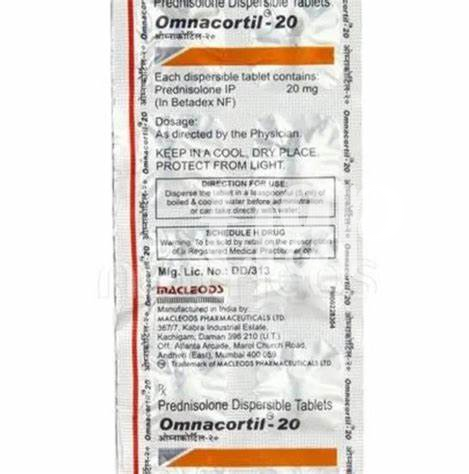
When tapering from Omnacortil, small daily routines became anchors. Prioritizing sleep and steady activity eased my shaky mornings. Small rewards mark progress.
Hydration and balanced meals rich in protein and potassium help mood and energy swings; a dietician’s tip was invaluable, and avoiding excessive caffeine.
Gentle exercise—walking, yoga, graded strength work—maintains muscle and bone while reducing fatigue. Listen to your body’s limits. A physiotherapist can tailor plans.
Stress reduction through breathing, social support, and clear communication with your prescriber keeps adjustments safe and reduces relapse risk. Keep a symptom diary.
When to Seek Urgent Medical Attention during Tapering
A sudden flare of dizziness, fainting, severe weakness or persistent vomiting while reducing omnacortil should prompt immediate contact with your doctor or a visit to the emergency department. Trust your instincts: if lightheadedness or sudden low blood pressure makes daily tasks impossible, don’t wait.
High fever, severe abdominal pain, confusion, or difficulty breathing could signal adrenal crisis; carry emergency steroid instructions and use them if directed. Quick evaluation and IV steroids can be lifesaving.
| Sign | Immediate action |
|---|---|
| Fainting | Go to the ER |
| Severe fever | Call for care |
| Confusion | IV steroids |
Long-term Monitoring and Preventing Adrenal Insufficiency Relapse
Recovering from prolonged Omnacortil treatment requires ongoing attention: scheduled visits, periodic morning serum cortisol or ACTH stimulation tests, and symptom review help track adrenal recovery. Keep a steroid card, learn sick‑day rules (increase or resume glucocorticoids during fever, surgery, or severe stress), and ensure family or caregivers know emergency steps. Small relapses are reversible if caught early.
Long-term monitoring also addresses consequences of extended steroid use: check bone density, blood pressure, glucose and eye exams, and review vaccine status. Clinicians tailor follow-up frequency to dose history and symptoms, sometimes re-testing adrenal function months after stopping therapy. Patients who know warning signs—fatigue, dizziness, abdominal pain, weight loss—can summon care quickly. Maintaining a written plan for dose adjustments and emergency hydrocortisone prescriptions reduces risk of adrenal crisis and supports confidence as the axis recovers. Regular education empowers patients to participate in care. PubChem: Prednisolone NLM Drug Information Portal: Prednisolone
