
 Affording Mounjaro: Insurance, Coupons, and Alternatives
Breaking down Mounjaro Costs and Insurance Coverage
Imagine staring at a pharmacy receipt and feeling the shock of seeing a Mounjaro price. List prices for a month can top nine hundred dollars, but out-of-pocket responsibility depends on insurance tier, prior authorization, and deductible progress. Knowing those variables helps you plan conversations with prescribers and benefits coaches to reduce surprise bills.
Start by checking your formulary, tier placement, and whether prior authorization or step therapy applies; appeal options exist if denied. Manufacturer coupons, copay cards, and pharmacist price-matching can lower cash costs, while patient assistance may help uninsured patients. Keep receipts and notes to support appeals and work with clinicians to document medical necessity. Ask pharmacies about manufacturer programs, coupons, and mail-order pricing.
| Item | Typical Cost |
|---|---|
| Monthly supply | $900–1,100 |
How to Appeal Insurance Denials for Mounjaro

When your prescription is denied, start by calmly collecting the clinical evidence: chart notes, prior treatments, lab results and a clear letter of medical necessity from your prescriber. Include guideline references and specific patient details that show medical need; insurers respond to concise, evidence-based rationale.
Request a formal appeal and ask for a peer-to-peer review so the prescribing clinician can speak directly with the insurer’s medical reviewer. Track deadlines, use certified mail or the insurer’s portal, and keep copies of every communication — documentation often decides the case.
If internal appeals fail, pursue external review through your state regulator and consider involving a patient advocate or attorney for complex denials. Meanwhile search for short-term help like manufacturer assistance or copay programs to bridge access to mounjaro while the appeal proceeds. Stay persistent and polite; many approvals follow repeated, documented requests.
Using Manufacturer Coupons and Patient Assistance Programs
I once watched a friend wrestle with a pharmacy bill, discovering that manufacturers often offer direct savings that can cut mounjaro costs significantly.
Enrollment usually requires simple documentation and a clinician note, and many programs assess financial need quickly to provide short term relief.
Combine these options with coupons or cards at the pharmacy to reduce out of pocket spending, but watch for eligibility limits and expiration dates.
Always verify program legitimacy through official manufacturer sites or patient advocates to avoid scams and make mounjaro more affordable long term today.
Maximizing Copay Cards, Savings Cards, Pharmacy Discounts
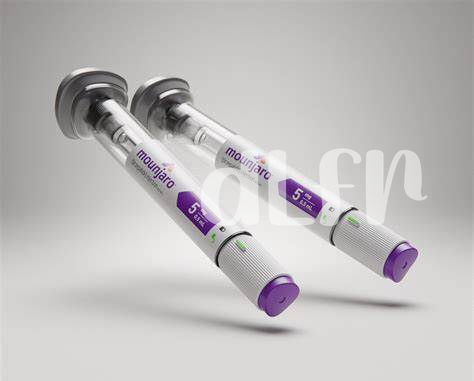
Facing steep mounjaro costs, many patients describe relief when a savings card slashes monthly bills. Enroll in manufacturer programs quickly, read eligibility rules, and verify whether cards can be combined with insurance. Keep copies of approvals and expiration dates, since administrative hiccups commonly trip up refill savings.
Compare prices at retail, big-box and mail-order pharmacies; cards can beat pharmacy pricing. Ask pharmacists about manufacturer bridges or short fills. Track cumulative savings annually and enlist your clinician to support appeals or sample prescriptions when coverage gaps occur and check formulary tiers.
Affordable Alternatives: Generic, Off-label, and Combination Therapies
A friend switched from a costly brand and told me how mounjaro felt like a luxury they couldn't afford.
Exploring generics and off-label combos can unearth cheaper, evidence-backed options; discuss risks with your clinician.
Some pharmacies compound doses or pair older diabetes medicines to mimic effects, reducing monthly spending.
Compare costs:
| Option | Typical monthly |
|---|---|
| Generic metformin+ | $20–$50 |
| Off-label GLP combos | $60–$150 |
Practical Tips: Budgeting, Dose-splitting, and Pharmacy Comparison
Start by mapping your monthly medication budget: list insurance co-pays, expected out-of-pocket costs and any assistance you qualify for. For injectables there’s little safe 'cutting' of doses—ask your clinician about approved titration plans or dose reductions rather than altering pens yourself. Pharmacists can clarify stability, storage, and whether a lower-dose pen or alternative schedule might reduce costs.
Compare cash prices across local, chain and mail-order pharmacies, and ask for a retail price match or 90‑day supply discounts; differences per dose add up. Keep records of calls and approval letters to streamline future appeals, and review your plan annually during open enrollment to switch to better coverage. FDA: Mounjaro approval NEJM: Tirzepatide for obesity
