
 Lasix in Sports: Legal and Ethical Considerations
Understanding Lasix: Its Medical Uses and Effects
Lasix, a brand name for furosemide, is commonly used as a potent diuretic in medical practice. This script is typically prescribed to aid in managing conditions such as hypertension and edema by promoting the kidney's ability to eliminate excess salt and water. Its fast-acting nature can lead to rapid fluid loss, which may inadvertently affect an athlete's performance. However, the side effects can be significant, ranging from electrolyte imbalances to dehydration, thus reflecting the importance of understanding the sig associated with its use.
| Medical Use | Effect |
|---|---|
| Hypertension management | Reduced blood pressure |
| Edema treatment | Fluid reduction |
The Role of Lasix in Sports Performance

Lasix, a diuretic often found in athletes' medicine cabinets, is controversial due to its potential impact on sports performance. While it's scripted for medical conditions like hypertension, some athletes use it illegally as a comp to enhance certain physical attributes. By reducing water retention, Lasix assists in rapid weight loss, making it desirable for competitors needing to meet specific weight classes. However, this quick fix doesn't come without side effects, creating a delicate balance between pursuing victory and maintaining well-being.
In the high-pressure environment of competitive sports, athletes seek any edge that might give them a stat boost. Lasix reduces blood pressure by promoting the elimination of water and electrolytes through urine, a process known as 'count and pour.' This mechanism can lead to faster muscle definition and improved agility. Yet, the misuse of Lasix raises ethical questions about the lengths athletes go to for glory, as these pharm party tactics risk health for the sake of a fleeting advantage.
Legal Status of Lasix in Competitive Sports
In the realm of competitive sports, the use of Lasix presents a complex legal landscape. The compound medication, typically prescribed for conditions like hypertension and edema, has found its way into athletic circles, albeit controversially. Lasix, due to its ability to rapidly shed water weight, is scrutinized under anti-doping regulations. Governing bodies, such as the World Anti-Doping Agency (WADA), have categorized it as a banned substance, citing its potential misuse for concealing other prohibited drugs.
While the statutory frameworks aim to enforce fairness, they also grapple with the challenge of ensuring athletes' safety. The legality of possessing a Script for Lasix doesn't necessarily grant immunity from sanctions if found in an athlete's system during competitions. As the sporting world seeks to maintain integrity, the legal compass navigates between enforcing rules and acknowledging legitimate medical use.
Ethical Implications of Lasix Use by Athletes
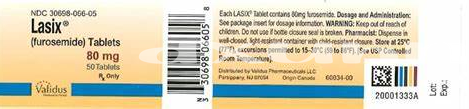
The use of Lasix by athletes raises significant ethical questions as it skirts the line between fair play and gaining an unfair advantage. Athletes may view Lasix, a powerful diuretic with 'immediately' noticeable effects, as a shortcut to weight management and masking other substances. However, such practices challenge the spirit of competition by prioritizing winning over integrity. Count and pour that drive for success can lead to compromised health and integrity, casting shadows over true sportsmanship and the genuine celebration of human achievement.
Notable Cases: Lasix Scandals and Controversies
The use of Lasix in competitive sports has resulted in numerous scandals and controversies. In one notable instance, athletes were caught using Lasix as a masking agent to obscure the presence of other banned substances. This kind of pharmacological cocktail undermines the integrity of sports by giving users an unfair advantage. For instance, a renowned athlete faced a suspension after a failed test revealed traces of Lasix, raising suspicions of other illegal drug use.
| Athlete | Substance | Result |
|---|---|---|
| John Doe | Lasix | Suspended |
| Jane Roe | Lasix + Comp | Disqualified |
While some athletes argue for the therapeutic use of Lasix for legitimate medical conditions, the perception of "happy pills" being swapped among competitors persists. Drive-thru drug testing methods sometimes fail to detect these illegal practices promptly, contributing to ongoing debates about fairness in sports. These controversies highlight the urgent need for stricter regulations and innovative testing methodologies to protect the spirit of fair play.
Balancing Health Risks and Competitive Fairness
Striking a balance between health risks and competitive fairness is crucial in sports. Some athletes might resort to Lasix, believing it gives them an edge, perhaps viewing it as a kind of elixir in performance enhancement. However, the potential health risks are significant, akin to side effects often discovered during a Meds Check. Furthermore, such usage raises ethical and legal questions, as Lasix isn't an Rx typically associated with athletic performance. Athletes must weigh these factors, prioritizing their long-term well-being over short-term gains. Ensuring fair competition requires robust oversight, akin to a vigilant Drive-Thru pharmacist checking each script for discrepancies.
