
 Common Misconceptions about Iverheal Debunked
Myth: Iverheal Is a Cure All Medication
A neighbor once claimed a single tablet could fix anything; I listened skeptically. Stories spread easily when urgency meets uncertainty.
Reality is more nuanced: the medication targets specific parasites and conditions, not vague ailments. Dosage, formulation, and condition severity change outcomes dramatically.
Assuming universal benefit risks delaying proper diagnosis and using inappropriate treatments that may cause harm. Self-medication provokes side effects and masks diseases sometimes.
Consulting a clinician and relying on approved indications ensures safe, effective care rather than hopeful guessing. Evidence-based use and monitoring improve outcomes and reduce resistance.
Reality: Iverheal's Approved Uses and Limits Explained
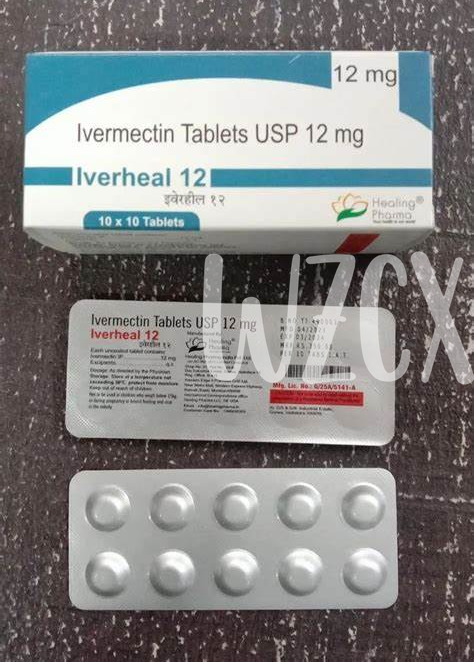
When prescribed properly, iverheal treats specific parasitic infections and certain dermatologic conditions; clinicians rely on evidence-based guidelines to select patients who will benefit most, emphasizing targeted use rather than broad, indiscriminate prescribing in routine practice.
It is not effective against viral illnesses like influenza or COVID-19, and trials show no reliable benefit in those settings; expectations should be tempered and treatment reserved for conditions with proven efficacy and appropriate monitoring.
Dosage protocols differ by indication and patient factors; exceeding recommended doses increases risk without improving outcomes. Physicians adjust regimens based on weight, comorbidities, and interactions to maintain safety and efficacy and always individualized to patients.
Recent studies investigating iverheal demonstrate context-dependent results; quality varies and many trials have limitations. Regulatory approvals reflect demonstrated benefits for specific indications, not generalized use, and future research will clarify remaining questions for patient care.
Safety Myth: over the Counter Use Harmless
In a busy clinic a patient assumed taking over-the-counter iverheal was harmless because it was easily obtained. I explained that accessibility doesn't equal safety: self-medicating can mask symptoms, delay correct diagnosis, and cause adverse effects, particularly in people with liver impairment, pregnant patients, or those with weakened immune systems.
Pharmacology matters—dosing errors and impurities in non-prescription preparations raise real risks. Combining products or using higher-than-recommended amounts can produce drug interactions, toxicity, or reduced effectiveness. The prudent approach is consultation with a healthcare professional, guided testing when appropriate, and following evidence-based indications rather than relying on convenience or anecdote. Community education about correct indications and sourcing helps prevent harm and supports safer use globally and responsibly.
Dosage Confusion: More Doesn't Mean More Effective
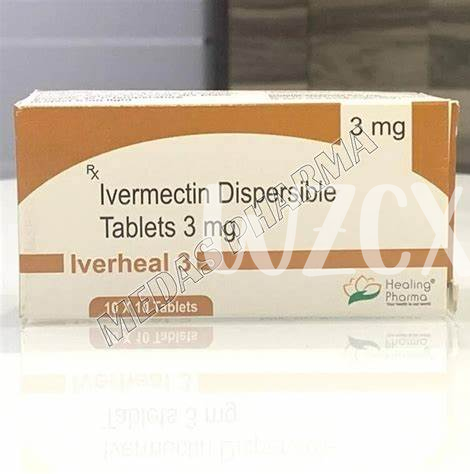
At a crowded clinic a nervous patient asked for extra tablets, convinced that doubling the dose would end symptoms faster. The nurse gently turned the conversation toward evidence: more does not equate to better outcomes and can often create new problems.
Medications like iverheal have defined therapeutic windows established in trials; exceeding those ranges raises risk without improving efficacy. Metabolism, weight, and coexisting conditions all shape dose-response, so arbitrary increases can lead to toxicity or masked complications.
Practical steps matter: follow prescribed regimens, use a pill organizer, and ask clinicians before changing doses. If symptoms persist, clinicians will adjust treatment safely or investigate alternative causes rather than relying on higher doses as a quick fix.
Interaction Concerns: Combining Iverheal with Other Medications
I once encountered a patient convinced iverheal could be mixed with anything. The conversation turned into a lesson: combining drugs can change effects unpredictably, so simple assumptions put safety at risk.
Anticoagulants, sedatives, and enzyme inhibitors are common culprits; interactions may increase bleeding, depress breathing, or raise blood levels. Always check prescription lists and consult a clinician before adding iverheal.
A quick reference helps frame concerns:
| Drug | Potential Effect |
|---|---|
| Warfarin | Increased bleeding |
| Benzodiazepines | Enhanced sedation |
| CYP3A4 inhibitors | Higher iverheal levels |
If symptoms change after starting new medicines, stop and seek advice. Pharmacists can flag dangerous combinations, labs may monitor effects, and adjusting timing or dose often resolves risk. Never self-prescribe or share iverheal; thoughtful coordination preserves benefit while minimizing harm. Keep an up-to-date medication list and discuss herbal supplements and over-the-counter remedies, which often interact unpredictably with prescriptions and vitamins.
Clinical Evidence: What Recent Studies Actually Show
Recent clinical studies offer a nuanced picture: while laboratory data showed antiviral activity in cell cultures, human trials have largely failed to reproduce strong benefits. High-quality randomized controlled trials remain limited, and outcomes vary with study design and patient populations.
Meta-analyses pooling small, heterogeneous studies often find inconsistent effects; some signals appear in low-bias trials, but publication bias and methodological flaws complicate interpretation. Clinicians emphasize that absence of robust evidence means treatment should be guided by regulatory approvals and standardized protocols.
The bottom line: recent evidence is inconclusive and evolving, so patients should not self-medicate. Discuss options with qualified clinicians and rely on approved indications while rigorous trials continue to clarify role for this drug. WHO statement on ivermectin FDA consumer update on ivermectin
