
 Clindamycin for Acne: What Dermatologists Say
How Clindamycin Works Against Acne Bacteria
When a stubborn breakout appeared before a holiday, I learned how targeted therapy can calm inflammation and bacterial growth. Clindamycin binds bacterial ribosomes, blocking protein synthesis and weakening Propionibacterium acnes so lesions shrink and redness fades. Dermatologists often start with a topical Rx for localized cases.
Its action reduces bacterial load and decreases the immune response that causes papules and pustules, offering symptomatic relief within weeks. Because resistance can emerge, clinicians may alternate agents or pair treatments; using appropriate strength and vehicle matters for absorption and tolerance.
Patients often ask whether brand-name or generics matter; efficacy is usually comparable when formulations are equivalent. Realistic expectations, adherence to the Sig on the label, and avoiding unnecessary use help outcomes, while regular follow-up with a clinician optimizes safe, effective care. Keep skin moisturized, avoid harsh scrubs, and use sunscreen daily during therapy.
| Action | Clinical Effect |
|---|---|
| Protein synthesis inhibition | Reduced bacterial load, less inflammation |
Topical Versus Oral Clindamycin: Effectiveness Compared
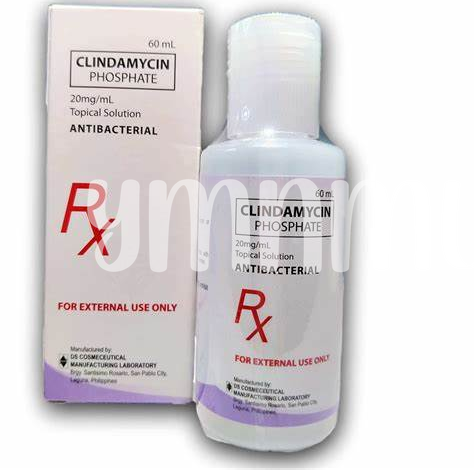
When I first learned about clindamycin’s role in acne, my dermatologist laid out differences plainly: topical gel concentrates action in hair follicles, whereas oral therapy treats more widespread or inflammatory cases.
Topical clindamycin often pairs with benzoyl peroxide to reduce resistance and boost results; response can be seen in weeks with minimal need for an Rx or systemic monitoring for many patients.
Oral clindamycin can be effective for cystic acne but risks include gastrointestinal upset and antibiotic resistance; dermatologists reserve it for short courses plus close follow-up and sometimes adjunct treatments.
Choices depend on severity, prior response, allergy history and desire to avoid systemic exposure; discuss OTC options and whether an Rx suits you today.
Combined Treatments: Clindamycin with Benzoyl Peroxide
Many dermatologists pair clindamycin with benzoyl peroxide to both reduce bacteria and prevent resistance; the combination acts faster than either agent alone and often improves inflammatory lesions. Studies show the duo lowers Propionibacterium acnes counts and shortens time to visible improvement, while benzoyl peroxide reduces emergence of resistant strains.
Clinicians advise using the combination as a topical cocktail for mild-to-moderate acne, typically in an Rx - Prescription product or alongside OTC - Over The Counter cleansers, and emphasize adherence, gentle moisturizers, and sun protection to limit irritation. For persistent cases, specialists layer other retinoids or oral agents rather than relying solely on the duo. Follow-up visits allow dose adjustments and ensure the regimen remains appropriate.
Safety Profile and Common Side Effects Explained
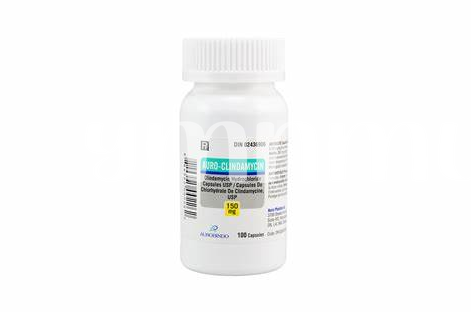
Patients often ask what to expect with clindamycin; dermatologists stress its generally favorable safety profile and tolerability. Mild local irritation, dryness, or contact dermatitis are the most common reactions; systemic effects are rare with topical use. When providers prescribe it they issue an Rx - Prescription with clear instructions to limit application frequency and monitor skin response closely.
Clinicians recommend pairing clindamycin with benzoyl peroxide when appropriate to reduce resistance risk, and often suggest Generics - Non-brand medications for cost reasons. Serious allergic reactions are uncommon but require immediate care. Report any new symptoms at follow-up. Regular follow-up helps adjust therapy, manage side effects, and decide whether to discontinue or switch medications for optimal safety.
Resistance Concerns and How Dermatologists Mitigate Them
Many dermatologists describe how clindamycin resistance develops when bacteria see antibiotics repeatedly. They recall cases where topical benefit vanished within months.
They avoid long-term monotherapy and prefer combinations that lower selective pressure. Short courses and follow-up check response.
Common tactics include pairing with benzoyl peroxide, limiting duration, culture-guided switches, and rotating topical agents. Lab data guide decisions.
Practical measures also involve clear Sig, patient counseling, and careful Rx selection—often choosing Generics - Non-brand medications to improve access. Stewardship reduces failures and preserves options for future.
| Concern | Action |
|---|---|
| Resistance | Combine therapies |
Practical Tips for Using Clindamycin Effectively
Start by following your Rx and the Sig closely: apply topical clindamycin to clean, dry skin once or twice daily as prescribed. Patience matters—visible improvement can take six to twelve weeks, so keep a simple routine and take photos to track progress.
Combine treatments only under a dermatologist's guidance; benzoyl peroxide reduces bacterial resistance but can bleach fabrics and increase dryness, so introduce it gradually. If using oral clindamycin, avoid unnecessary long courses to limit resistance and side effects.
Choose generics when cost is a concern; discuss allergies, pregnancy, and current meds with your clinician. Report severe irritation or signs of infection promptly, and keep follow-up appointments for treatment adjustments. Carry sunscreen and gentle cleanser.
