
 Comparing Bimatoprost with Other Eyelash Treatments
How Bimatoprost Works Versus Other Growth Methods
When you use the prescription drop nightly, it actively pushes hair follicles into a longer growth phase, producing visibly thicker, darker lashes rather than just coating strands. Over-the-counter serums typically rely on nourishing ingredients and peptides to strengthen and reduce breakage, while conditioners add shine. Extensions and false lashes create instant drama without affecting biology.
Clinical treatments show measurable length and volume gains within weeks, whereas topical cosmetics give immediate but temporary results. The medication demands a prescription and regular use to maintain effects; stopping reverses benefits. Side-effect profiles and contraindications differ from benign serums or purely cosmetic options, so weigh timeline, medical history and desired permanence when choosing an approach and consult a clinician.
| Treatment | Mechanism | Onset |
|---|---|---|
| Bimatoprost | Prolongs growth phase | Weeks |
| Serums/Conditioners | Strengthen or coat strands | Months for improvement |
| Extensions/Mascara | Cosmetic coating/replacement | Immediate |
Comparing Effectiveness: Results Timeline and Measurable Gains
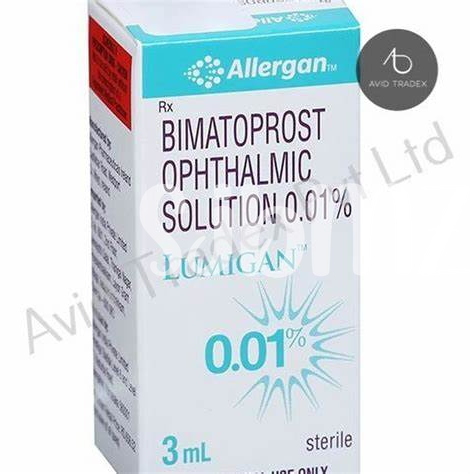
She tracked her lashes like a scientist, photographing weekly to chart change. Prescription bimatoprost typically shows visible darkening and length within four to six weeks, with peak fullness at three months; over-the-counter serums often promise similar effects but rely on peptides or conditioning agents that yield subtler, slower gains. Extensions and mascaras give immediate drama without biological change, while conditioning treatments improve health over months rather than producing true regrowth.
Measurable gains depend on baseline lash density, adherence, and concurrent eye conditions. Clinical studies report average length increases of a few millimeters with bimatoprost, often quantified by follicle counts and standardized photography; OTC products lack consistent trial data, making outcomes variable. Users seeking objective improvement should document photos and consider a trial period of three months to evaluate progress, while weighing quick cosmetic fixes against treatments that alter follicular activity.
Safety Profiles: Side Effects, Contraindications, Long-term Risks
Every treatment carries trade-offs, and bimatoprost often delivers dramatic lash lengthening but can darken eyelid skin or iris in rare cases.
Common effects include mild irritation, redness, and itch, usually transient and manageable with temporary discontinuation.
Contraindications such as active eye infections or pregnancy mean clinicians screen patients; those with glaucoma or taking ocular medications should consult an ophthalmologist.
Long-term risks are uncommon but include pigment changes and possible eyelash loss after stopping; weighing benefits, monitoring, and informed consent keep outcomes positive, and reporting concerns promptly helps maintain safe use.
Cosmetic Alternatives: Serums, Conditioners, Extensions, and Mascaras

A friend swapped her routine for a nightly serum and noticed subtle change within weeks. Results vary by formulation and user expectations.
Conditioners focus on fortifying follicles with peptides; results depend on ingredient strength and consistent use. Patch tests help identify sensitivities.
Extensions and mascaras offer instant drama but carry maintenance demands and possible lash stress. A skilled technician reduces risks, but curling and glue can harm fragile lashes.
For longer-term growth many compare serums to bimatoprost, weighing prescription efficacy against safety and cost. Consultation guides the best personal choice.
Cost, Accessibility, Prescriptions Versus Over-the-counter Options
Deciding which route to take often hinges on budget and access. Prescription bimatoprost usually costs more upfront and needs a clinician’s visit, yet its efficacy is supported by trials and may reduce repeat purchases.
Over‑the‑counter serums and conditioners are cheaper and instantly available, but formulations vary and results can be inconsistent. Some buyers mix products or chase quick fixes, increasing long‑term expense.
Look for generics, patient assistance, or telehealth prescriptions to balance price and safety. Prioritize professional guidance if you have eye conditions; small savings aren’t worth avoidable complications. Consider long‑term value and compliance.
| Treatment | Typical Price | Prescription? | Onset |
|---|---|---|---|
| Bimatoprost | Moderate–High | Yes | 6–12 weeks |
| OTC serum | Low–Moderate | No | 8–16 weeks (variable) |
| Mascara/Extensions | Low–Varies | No | Immediate |
Choosing the Right Treatment: Tailoring to Needs and Lifestyle
Deciding on an eyelash treatment starts with your goals and routine: do you want dramatic length, subtle conditioning, or low-maintenance enhancement? Consider medical history, sensitivity, and how much daily time you’ll invest—these shape which option fits your life.
Effectiveness, side effects, and convenience differ: prescription bimatoprost often delivers measurable growth but needs monitoring; serums and conditioners can improve health gradually; extensions and mascaras provide immediate visual change without biological risk, though maintenance varies.
Talk with a clinician if you have eye disease or take medications; try a short trial while documenting results and irritation. Balance cost, patience, and desired outcome—sometimes combining treatments gives the best, personalized result. Reassess every three months and adjust plan accordingly.
