
 **understanding Augmentin: Uses and Benefits Explained**
What Is Augmentin and How Does It Work?
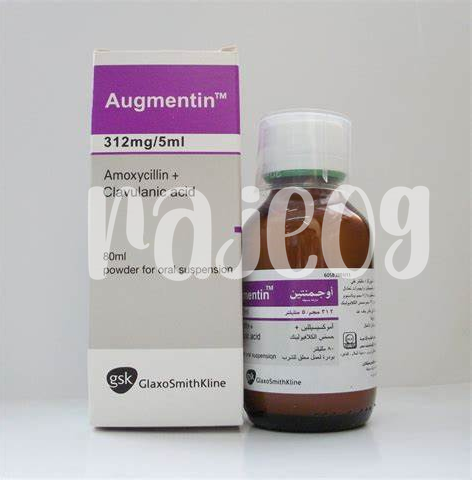
Augmentin is a combination antibiotic that merges amoxicillin, a penicillin derivative, with clavulanic acid, a β-lactamase inhibitor. This unique pairing enhances its effectiveness against a wider range of bacteria, allowing it to tackle resistant strains that may evade standard antibiotics. By inhibiting β-lactamase enzymes produced by certain bacteria, clavulanic acid ensures that amoxicillin remains effective in treating infections.
The mechanism behind Augmentin's function involves blocking bacterial cell wall synthesis, which ultimately leads to cell lysis and death. As the antibiotic penetrates bacterial cells, it disrupts vital processes, making it particularly effective against diverse infections. This combination not only increases the potency of the medication but also minimizes treatment failures linked to antibiotic resistance, making Augmentin a versatile choice for healthcare providers.
| Component | Function | |--------------------|------------------------------------------| | Amoxicillin | Inhibits bacterial cell wall synthesis | | Clavulanic Acid | Inhibits β-lactamase enzymes |
Common Conditions Treated with Augmentin Therapy

Augmentin is an effective treatment for a variety of bacterial infections, making it a go-to choice for both healthcare professionals and patients. Among the most common conditions, it excels in managing respiratory tract infections, such as sinusitis and pneumonia, which can significantly impact daily life. Many individuals find relief from troublesome symptoms after a course of this powerful antibiotic.
Additionally, Augmentin is utilized to combat urinary tract infections (UTIs), providing much-needed respite from discomfort and more serious complications. Skin and soft tissue infections, including abscesses, also respond well to this medication, showcasing its versatility in addressing different health issues.
This broad-spectrum antibiotic effectively targets the bacteria responsible for these conditions, often resulting in quick improvements in health and well-being. With its dual-action formula, it not only interferes with bacterial cell wall synthesis but also inhibits the enzymes that render other antibiotics ineffective, making it a valuable resource in the fight against resistant strains.
Advantages of Choosing Augmentin for Infections
Augmentin stands out in the realm of antibiotics due to its unique combination of amoxicillin and clavulanate potassium, giving it powerful efficacy against a wide range of bacterial infections. This dual-action approach not only targets the bacteria directly but also inhibits their ability to resist treatment, making Augmentin particularly effective in cases where other antibiotics may fall short.
Additionally, the use of Augmentin often leads to quicker recovery times and fewer complications. With its ability to tackle various infection types, healthcare providers frequently choose Augmentin as a preferred option, ensuring patients receive comprehensive care that addresses the root cause of their ailments effectively.
Potential Side Effects and Safety Considerations
When taking Augmentin, it's essential to be aware of possible side effects that could arise. Commonly reported issues include gastrointestinal disturbances such as nausea, diarrhea, and abdominal pain, which may occur as your body adjusts to the medication. While most side effects are manageable and transient, some individuals may experience more serious reactions like allergic responses or liver issues. Monitoring your body's response during treatment is crucial.
Safety considerations are paramount, especially for those with existing health conditions. Individuals with a history of liver disease or allergies to penicillin should consult their healthcare provider prior to starting Augmentin. Proper usage, adherence to prescribed dosages, and open communication with your doctor can help optimize treatment outcomes.
Proper Dosage and Administration Guidelines Explained
When using Augmentin, it’s crucial to adhere to the prescribed dosage to ensure its effectiveness and prevent antibiotic resistance. Adult dosages typically depend on the type and severity of the infection, ranging from 500 mg to 875 mg every 12 hours. Children’s dosages are calculated based on their weight. To maximize the drug's effectiveness, it's advisable to take Augmentin at the start of a meal, which not only helps with absorption but may also reduce gastrointestinal discomfort.
| Patient Category | Typical Dosage | Frequency |
|---|---|---|
| Adults | 500 - 875 mg | Every 12 hours |
| Children | Weight-based calculation | Every 12 hours |
It's essential to complete the full course as directed, even if symptoms improve before finishing the medication, to fully eradicate the infection and mitigate the risk of resistance.
Comparing Augmentin with Other Antibiotic Options
When evaluating various antibiotic choices, Augmentin stands out due to its unique formulation. This broad-spectrum antibiotic combines amoxicillin and clavulanate potassium, allowing it to effectively tackle bacteria that might resist single-agent treatments. In contrast, other antibiotics like ciprofloxacin or azithromycin may target specific pathogens, but they might not be as effective against mixed infections often encountered in clinical settings.
Additionally, the versatility of Augmentin makes it a go-to option for physicians dealing with conditions like sinusitis or pneumonia. While alternatives may offer benefits like a narrower spectrum or specific action against resistant strains, the synergistic effect of Augmentin enables more comprehensive treatment in certain scenarios, ultimately helping to better manage patient outcomes.
