
 Ampicillin Versus Amoxicillin: Key Differences Compared
How They Work: Mechanism and Bacterial Spectrum
Two cousins in the penicillin family work the same basic trick: they bind penicillin binding proteins and disrupt bacterial cell wall synthesis, causing lysis. Both are bactericidal against many gram positive organisms, but differ subtly in reach and clinical behavior. Ampicillin historically covers enterococci and some gram negative rods better, while amoxicillin offers improved oral absorption and often more reliable systemic levels.
Resistance is mainly driven by beta lactamases, so combining either with clavulanate broadens activity against resistant strains. Choice hinges on suspected pathogen, site of infection, and pharmacokinetics: amoxicillin favors outpatient oral therapy, while ampicillin retains a role intravenously and in some neonatal or enterococcal infections. Narrow, targeted use preserves efficacy including pediatric settings.
| Feature | Typical difference |
|---|---|
| Spectrum | Ampicillin: better enterococcal coverage; Amoxicillin: similar spectrum with optimized oral use |
| Common route | Ampicillin: IV/IM; Amoxicillin: oral |
Absorption, Bioavailability, and Pharmacokinetic Profiles Compared
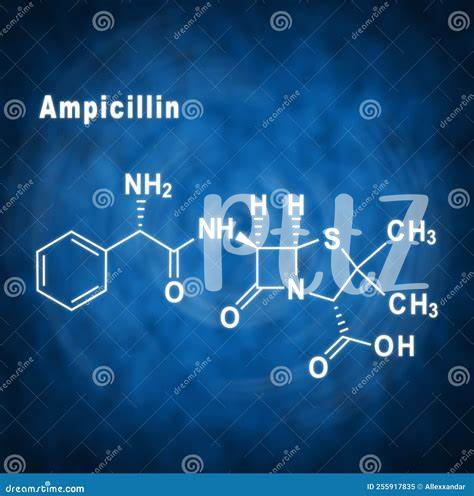
Clinically, one often notices that oral amoxicillin is absorbed more reliably than ampicillin, producing higher serum concentrations after a single dose. This difference stems from physicochemical properties and formulations: amoxicillin’s better lipophilicity and stability in the gut favor uptake, while ampicillin is more sensitive to gastric degradation and food effects.
Bioavailability differs: amoxicillin reaches about 75–90% orally, whereas ampicillin achieves roughly 40–50% when taken by mouth. Both distribute into body fluids and tissues, but peak levels and time-to-peak vary, influencing dosing intervals. Intravenous formulations bypass these limits, offering predictable plasma exposure for severe infections.
Renal excretion dominates elimination for both, with half-lives around one to one and a half hours in healthy adults; renal impairment prolongs exposure and mandates dose adjustment. Understanding these kinetics helps clinicians choose oral versus parenteral routes and tailor therapy to age, comorbidity, and infection severity.
Common Clinical Uses and Approved Indications
In everyday practice physicians weigh infection severity, patient history, and microbiology. Ampicillin’s reliable activity against susceptible enteric organisms and Listeria has guided many empiric choices.
For hospital-acquired infections its utility narrows, but it remains valuable in obstetric and neonatal settings where Listeria coverage matters.
Outpatient use favors amoxicillin for better oral absorption, yet ampicillin still appears in guidelines for endocarditis prophylaxis and specific bacteremias.
Decision-making hinges on culture data and patient factors; narrow-spectrum therapy reduces collateral damage. Resistance trends and local antibiograms shape whether a clinician prescribes either drug, and combination with beta-lactamase inhibitors is considered when organisms produce enzymes that inactivate plain penicillins. Patient allergies and pregnancy status also strongly influence the final choice.
Dosing, Formulations, and Pediatric Versus Adult Considerations

Imagine unwrapping a prescription and wondering which form fits the moment: tablets, capsules, oral suspension or intravenous infusion. ampicillin comes in multiple preparations; oral forms suit outpatient respiratory or otitis infections while IV/IM options are reserved for severe systemic disease. Pediatric regimens are calculated by weight and often given more frequently to maintain therapeutic levels, with palatable suspensions improving adherence. Adults typically receive standard fixed doses adjusted for renal function.
In practice clinicians balance efficacy and safety: neonates require longer dosing intervals and cautious monitoring, while older children mirror adult pharmacokinetics more closely. Dose adjustments for renal impairment prevent accumulation. Clear instructions on timing, completion of the course, and recognizing allergic reactions improve outcomes. When switching from IV to oral, bioavailability differences influence dosing decisions, so coordination between inpatient and outpatient teams helps ensure seamless and effective therapy, ensuring safety.
Side Effects, Allergies, and Resistance Patterns Explained
A patient story can reveal how ampicillin’s common effects—nausea, diarrhea, rash—sometimes interrupt therapy, yet most reactions are mild and reversible. Patients should report severe symptoms promptly to their clinician.
True allergic responses, including urticaria or anaphylaxis, are uncommon but demand immediate withdrawal and allergy testing; cross-reactivity with other penicillins is possible. Testing guides safe alternatives and documentation prevents future confusion.
Emerging resistance, driven by beta-lactamases and misuse, shifts choices toward beta-lactamase inhibitors or alternative classes; stewardship and culture-directed therapy restore effectiveness. Local antibiograms, prudent prescribing slow resistance and preserve options.
| Issue | Note |
|---|---|
| Allergy | Discontinue and refer for testing |
| Resistance | Consider beta-lactamase inhibitors or alternatives |
Drug Interactions, Pregnancy Safety, and Prescribing Tips
These beta-lactams have few direct interactions, but altering gut flora can reduce oral contraceptive efficacy and affect absorption of tetracyclines. Monitor anticoagulant levels and avoid simultaneous live vaccines.
Both agents are generally safe in pregnancy, categorized as preferred when bacterial infection requires treatment; weigh benefits versus risks, use the narrowest effective spectrum, and document informed consent when uncertainty exists.
Dose adjustments are important for renal impairment; choose amoxicillin for oral convenience and better bioavailability, ampicillin when IV or enterococcal coverage is needed. Counsel patients on adherence and side effects promptly.
