
 Abilify Vs. Other Antipsychotics: Key Differences
Abilify’s Unique Mechanism: Dopamine Stabilizer Explained
Picture a seesaw in a busy playground; a gentle hand steadies it so kids can play. Abilify nudges dopamine toward balance rather than fully blocking signals.
It works as a partial D2 agonist and modulates serotonin receptors, combining stabilization with symptom relief for highs and lows. And modest cognitive benefits reported in some studies over time periods.
| Receptor | Action |
|---|---|
| D2 | Partial agonist |
| 5-HT1A | Agonist |
| 5-HT2A | Antagonist |
Clinically this profile can mean less sedation and prolactin rise, encouraging adherence, though individual responses vary. Teh goal is symptom balance and functional recovery.
Efficacy Comparison Across Conditions and Symptom Types

Clinicians often describe choosing abilify like selecting a precise tool: its partial dopamine agonism can reduce positive symptoms in schizophrenia and boost antidepressant response, while other antipsychotics may cause stronger sedation or anticholinergic effects. Teh comparative trials show similar response rates but different tradeoffs.
For negative symptoms and cognitive deficits benefits are modest across agents and individual variation matters more than class. Longitudinal studies suggest some drugs lower relapse risk slightly in certain subgroups, yet real world adherence, tolerability and metabolic profile usually tip the balance during maintenence of therapy.
Side Effect Profiles: Tolerability and Long-term Risks
When choosing an antipsychotic, patients often notice that abilify feels different, less sedating for some, but more activating for others. Clinicians describe tolerability as a balance: immediate discomforts can shape willingness to continue treatment and influence real-world outcomes.
Acute effects like akathisia, insomnia, or mild nausea may occur, while other agents cause prominent sedation or prolactin elevation. Weight gain and metabolic changes are more common with several second-generation drugs; movement disorders and tardive dyskinesia remain rarer but serious concerns that occur even after long use.
Long-term monitoring of lipids, glucose and movement signs is neccessary, and shared decision-making lets patients weigh benefits against risks. Many adverse effects are often manageable with dose changes or switching.
Dosing Flexibility and Adherence in Real-world Practice
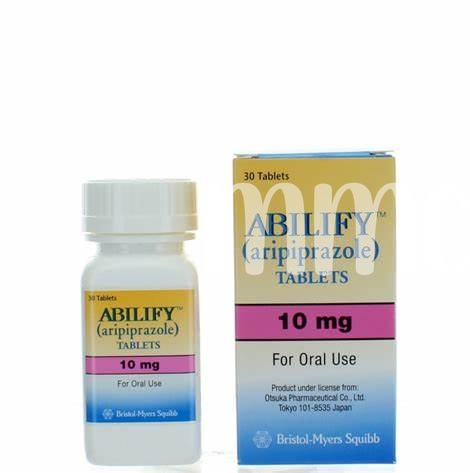
Starting a new antipsychotic often feels like learning a new rhythm; clinicians tailor doses gradually and patients test limits. abilify offers wide titration options and once-daily oral dosing, which can simplify regimens and reduce missed doses. Long-acting injectable formulations further help for those who struggle with daily pills.
In practice, simplicity matters: fewer daily administrations and flexible titration schedules increase real-world persistence. Occassionally side-effect emergence forces slower uptitration, so clinicians must weigh immediate symptom control against long-term tolerability. Shared decision-making and clear instructions improve concordance.
Digital reminders, pill boxes, and depot injections are practical tools to support ongoing use. Monitoring and early follow-up catch emergent problems before they derail therapy, and personalised plans account for comorbidities and polypharmacy. Clinicians should balance efficacy with tolerability to acheive sustainable outcomes. Small dose adjustments, patient education, and family support increase long-term success rates.
Drug Interactions, Metabolic Impact, and Monitoring Needs
A clinician's early cautionary tale often begins with common prescriptions, supplements and antibiotics that alter abilify concentrations, shifting effectiveness or side effect risk. Patients are told to report new meds and otc remedies immediately.
Metabolic effects vary: some drugs cause marked weight gain, dyslipidemia and diabetes risk, while abilify tends to have lower average weight effects though variability exists. Teh clinician balances risks against symptom control and baseline risk factors.
Monitoring should be individualized with baseline labs and scheduled follow ups; simple checklists improve safety.
| Test | When |
|---|---|
| Glucose | Baseline, q6m |
| Lipids | Baseline, q12m |
Counsel patients about CYP mediated changes from smoking, grapefruit and enzyme inhibitors; dose modifications and tighter monitoring may be needed. Shared decision making increases adherence and helps tailor therapy to individual needs over time safely.
Cost, Access, and Patient Preference Considerations
Patients often balance price with hoped-for benefits; insurance coverage and the arrival of generic formulations strongly influence choices. Teh sticker shock of brand-name aripiprazole can prompt clinicians and patients to consider generic equivalents or alternative agents with similar efficacy but lower out-of-pocket cost. FDA PubMed
Access varies by formulation: oral tablets, disintegrating tablets, and long-acting injectables carry different cost structures and prior-authorization hurdles that can delay starts. Local formularies, clinic procurement policies often determine which options are feasible in practice. MedlinePlus NCBI
Patient preference—dosing frequency, side-effect tradeoffs, and monthly copays—frequently drives adherence and satisfaction. Shared decision-making that addresses financial concerns alongside clinical pros and cons helps avoid unnecessary switches and improves real-world outcomes. PubMed FDA
